
Adding weight may also prove an equally tough task, just like losing weight – especially when you have a fast metabolic rate, are too busy, or are dealing with health issues. Gaining weight among those belonging to the age bracket of 20-50 years is more than just focusing on appearances because it’s associated with energy levels, strength, and feeling fine. Rather than concentrating on fast food or drastically cutting back, it’s all about making consistent efforts. Knowing what and how to start is important when working toward an average result.
Understanding Healthy Weight Gain
Putting on healthy pounds for the body means adding muscle and boosting strength aside from adding fat. This starts with setting reachable goals wherein these goals have to align with your body type and physical habits daily, and also take into account any medical condition you may have. Consulting a doctor or a nutritional expert may reveal underlying issues regarding low vitamin levels and any issues pertaining to hormones.
Enhancing Daily Caloric Intake
Adding calories must happen progressively if weight gain is the target. Rather, the diet will consist of lots of nutrient-dense food to keep the body energized. Helping in the matter are whole grains, meat, quality fats, dairy products, nuts, and seeds. Having an additional helpings in between meals, perhaps some yogurt or an apple, may help keep the energy levels high without becoming too stuffed.

Balancing Protein Intake
Proteins are very essential for muscle building, apart from aiding in tissue repair. Adequate intake of proteins with meals will therefore ensure that weight gained is converted to strength rather than to fat. Some of the best sources of proteins include eggs, fish, chicken, beans, tofu, and yogurt. Apart from proteins, the body requires carbohydrates from whole grains to enable it to move, apart from deriving fats from nuts to maintain hormone regulation.
Incorporating Strength Training
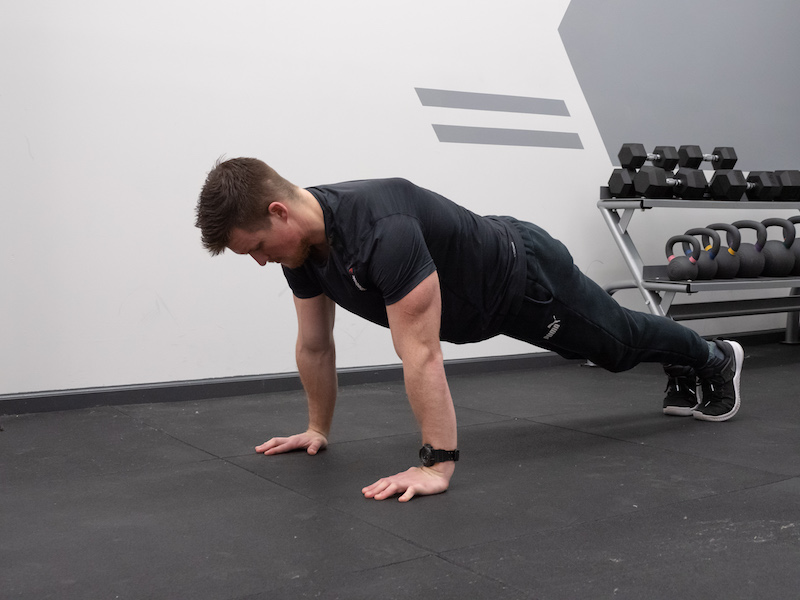
Exercise is an important aspect if one needs to acquire weight in the right and healthy way, by the use of weights or muscular exercises. Weights, push-ups, or bands will result in muscle buildup if one consumes adequate food. One should carry out this exercise 2 to 4 times every week to give time to the muscles to recover and grow properly.
The Need for Rest and Recovery
Weight recovery is even more important than one might realize in terms of gaining body mass. Recovery occurs during resting, not during exercise. Adequate exercise can occur with 7 to 9 hours of sleep per night, which regulates hormones and heals tissues. When levels of stress remain elevated or sleep is reduced, hunger stimulation and compensatory calorie burning become altered.
Tracking Progress and Consistency
Tracking the progress you make reminds you to stay motivated. It also goes a long way toward helping you adjust when you are not. Watching your transitions in regards to weight, energy levels, and increased muscle strength can also tell you which approaches really work. When it comes to gaining mass, it is best to take the time. Quick methods will often fail.
Last Plans
The first step of successful weight gain involves the increase of calorie intake in conjunction with the right balance of nutrients, accompanied by strength training and enough rest time. Emphasis on long-term strategies over quick fix methods makes it easier for an individual to become stronger while also improving general well-being and long-term success.