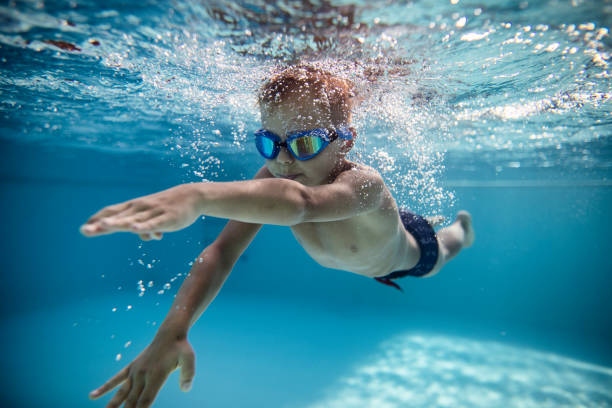
Exercise plays an important role in the development and progress of children. Among various exercises, swimming stands out due to its immense benefits. It offers activity, learning new things, yet it’s relatively eased on the body – even fun at times. Thus, due to the combination of both effort and ease, the end results are experienced without any difficulties by the family as well. To experience more constructive decisions between the ages of 20 to 50 years, understanding the benefits of swimming would be helpful.
Supporting Physical Growth & Muscle Development
Swimming exercises most major muscle groups; thus, this is an excellent activity for overall kid exercise. Just doing laps is an exercise that allows strengthening arms, legs, torso, and backbone; this is very helpful in overall bodily growth. It doesn’t pound one’s joints as much as most exercises; rather, this sport is very gentle on one’s skeleton – this reduces injury risks while making one’s muscles more rigid and flexible. Thus, this sport perfectly suits kid bodies because they grow very fast and are very sensitive to heavy loads.
Improving Cardio-Vascular and Respiratory Health
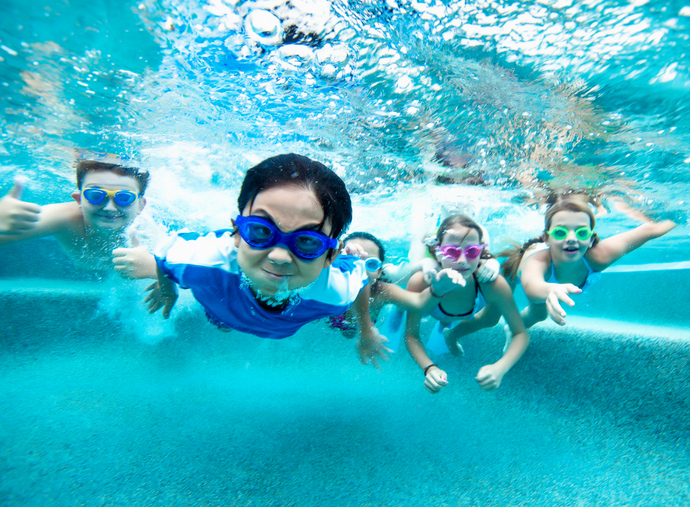
Swimming significantly enhances cardiac and pulmonary capabilities. On one hand, because swimming means a steady movement, along with targeted breathing techniques, their power often enhances as a consequence of this exercise routine. Children who often learn swimming often develop endurance as a result, such that they can play or exercise for a longer period without getting exhausted. Consequently, their overall physical fitness gets better, thereby decreasing their opportunities of facing difficulties of a sedentary lifestyle when they are adults.
Improving Coordination and Motor Skills
By swimming, one is able to enhance coordination and balance and develop movement skills. By training children to swim using strokes, it is important that the rate at which their arms and legs move is timed because breathing is also essential. By achieving coordination of their bodies, reaction speed is enhanced, thus an important aspect in terms of growth and development.
Promoting Mental Health and Emotional Wellbeing
Besides the positive contribution to the body’s well-being, swimming increases the mood and attitude of children. In the water, activities help to alleviate tension and relax the swimmers. Emphasis on concentrating during the learning process helps to develop perseverance; this helps to enhance attention and confidence. Skill acquisition through practice leads to pride because fear disappears.
Promoting Social Skills and Healthy Practices
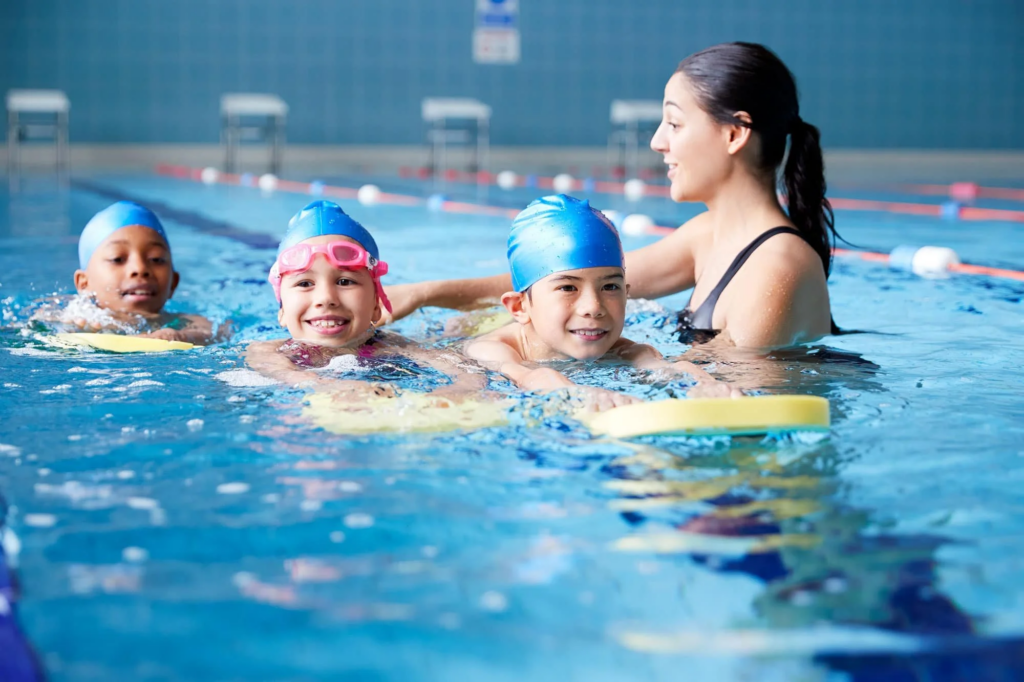
Swimming classes coupled with group outdoor games give these kids genuine opportunities to socialize. They start to share their thoughts, to collaborate, while networking within a safe environment. These too build strong foundations of collaboration and peer understanding. Moreover, early start training in swimming also helps to build strong wellness habits. Kids associating workouts with pleasure usually remain physically active throughout their teenage and throughout life.
Safety Awareness and Life Skills
Swimming is both a form of exercise and training for survival. Since swimming teaches one about water safety, drowning becomes less likely. The fact that kids learn important pointers when they get familiar with water means that swimming lessons offer dual benefits.
Closing Thoughts
Swimming is a good way of exercising children physically while improving heart functionality, equilibrium, and mood. It is also appropriate because swimming is a low-impact activity that can be good for learning, especially if children are taught early by their families.