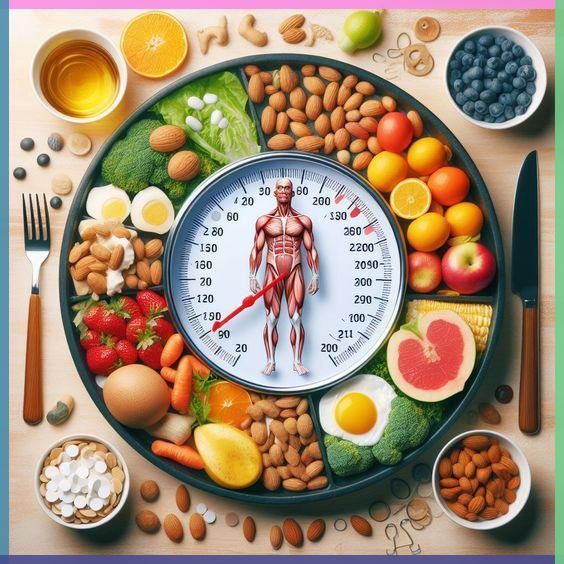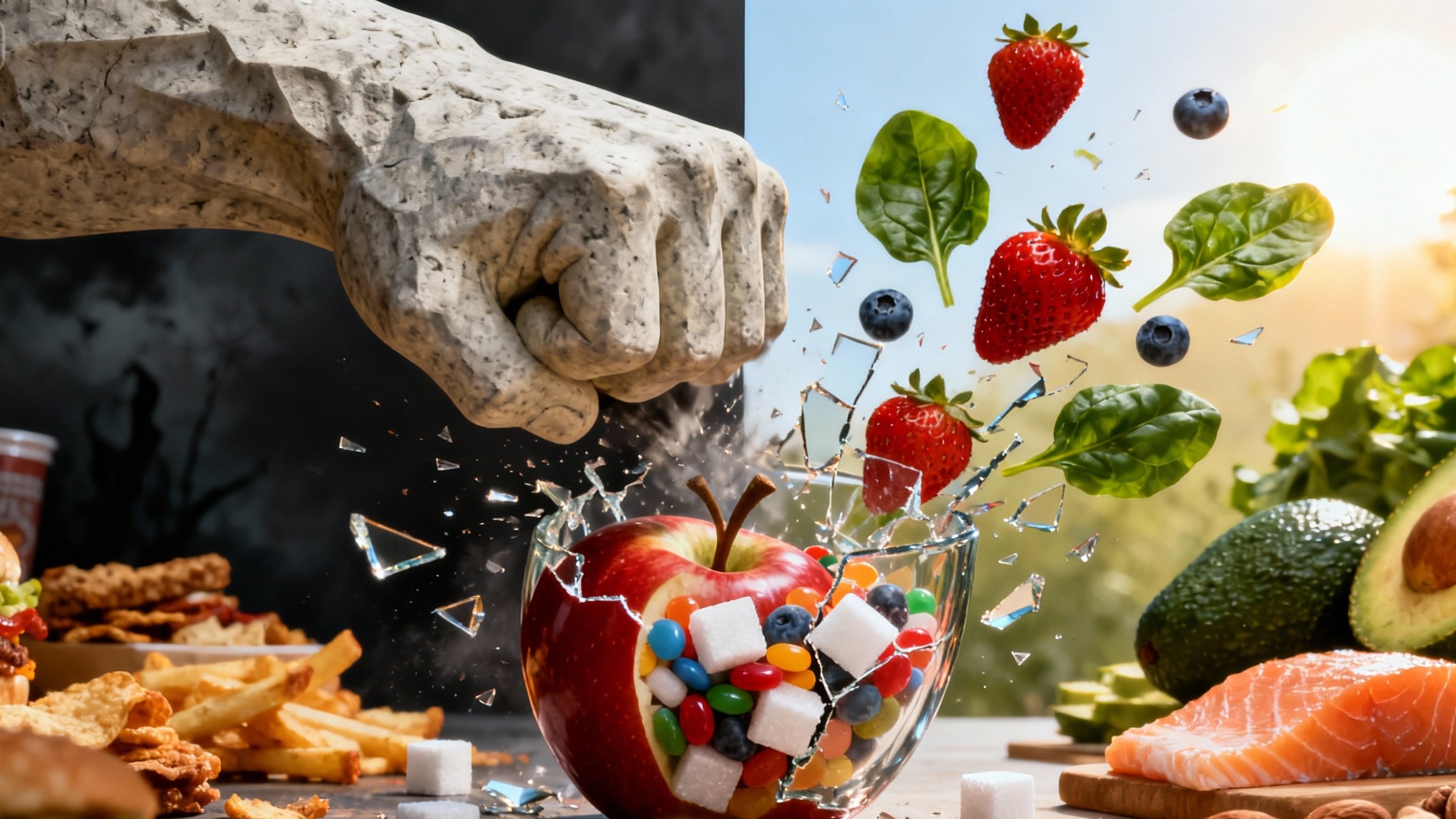
In today’s world where info never stops coming, you can find diet tips anywhere. But here’s the catch – not everything checks out. Trends on social platforms, old-school thinking, or quick-fix ideas keep false beliefs alive, sending mixed signals to folks aiming to feel better. Adults between 20 and 50 juggle jobs, loved ones, plus self-care; knowing what’s real about food helps them pick meals that actually work long-term.
Myth 1: Carbohydrates Are Always Bad
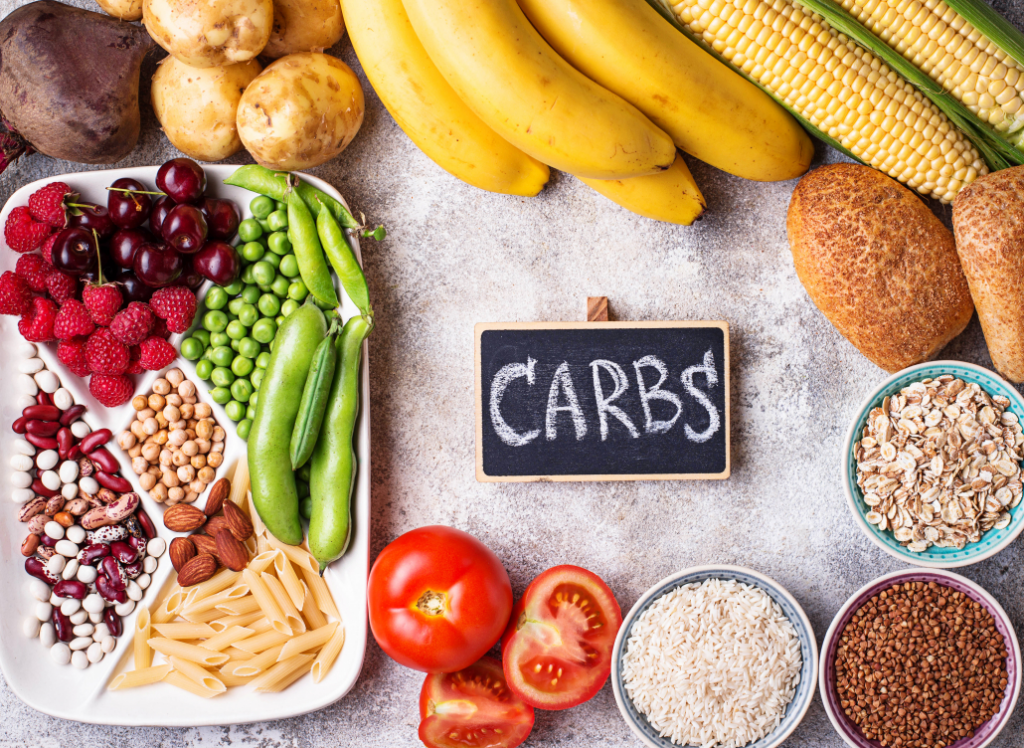
Some folks think cutting out carbs totally is smart. Yet eating too many processed ones might pack on pounds – though not every carb does harm. Foods like fruit, beans, greens, and full-grain bread give your body fuel, vitamins, plus roughage. Going cold turkey on all carbs could leave you drained, foggy-headed, or missing vital stuff. Picking better options matters more than ditching them fully.
Myth 2: Fat Makes You Gain Weight
Years back, people saw fat as bad for eating right. Still, studies now prove good fats matter – like how they help control hormones, boost brain power, or let your body take in nutrients. Think avocado, nuts, seeds, even olive oil – they’ve got unsaturated kinds that keep your heart strong while keeping you full longer. Getting heavier isn’t just about eating fat – it’s more tied to total calories and daily routines instead.
Myth 3: Skipping Meals Helps With Weight Loss
Missing food, particularly in the morning, gets hyped as an easy fix for shedding pounds. Still, doing so might mess up your body’s rhythm – causing you to eat too much by afternoon. Eating at steady times – with good mix of nutrients – keeps energy even and avoids sharp dips. When life’s hectic, sticking to meal routines boosts concentration, evens out emotions, plus helps manage weight down the road.
Myth 4: Supplements Can Replace Real Food
Dietical pills often get pushed as quick fixes for feeling better. Though they might fill certain gaps, they don’t replace actual food. Whole eats deliver a mix of nutrients, roughage, and protective stuff you won’t find in a capsule. Leaning hard on bottles could make people skip out on eating diverse, well-rounded meals.
Myth 5: Eating Healthy Is Too Expensive
Plenty think good food costs too much. Yet even if certain items aren’t cheap, smart choices make balanced meals doable on a tight budget. Basics like rice or beans, along with eggs and veggies – fresh when in season, frozen otherwise – pack solid nutrients without draining your wallet. Making meals yourself while cutting back on ready-made stuff usually saves cash – and helps you feel better, too.
Why These Myths Persist
Nutrition myths stick around since they usually offer fast fixes or easy answers. Because of ads, famous faces backing them, also how fast stuff spreads online, false ideas get stronger. When people lack trustworthy info or expert advice, so they might pick up routines that don’t work – sometimes they can hurt in the long run.
Closing Remarks
Shaking off diet myths? That’s key to feeling better every day. Once you see how normal portions, variety, and real research beat rigid fixes, picking meals gets easier. Ditching fads helps – what counts is eating real food, sticking to routines, and matching what your body actually needs. When it comes to food facts, knowing stuff isn’t just useful; it shields you from false claims.